
The New Science of Stuttering: 5 Things We Already Knew and 5 Hot Takes
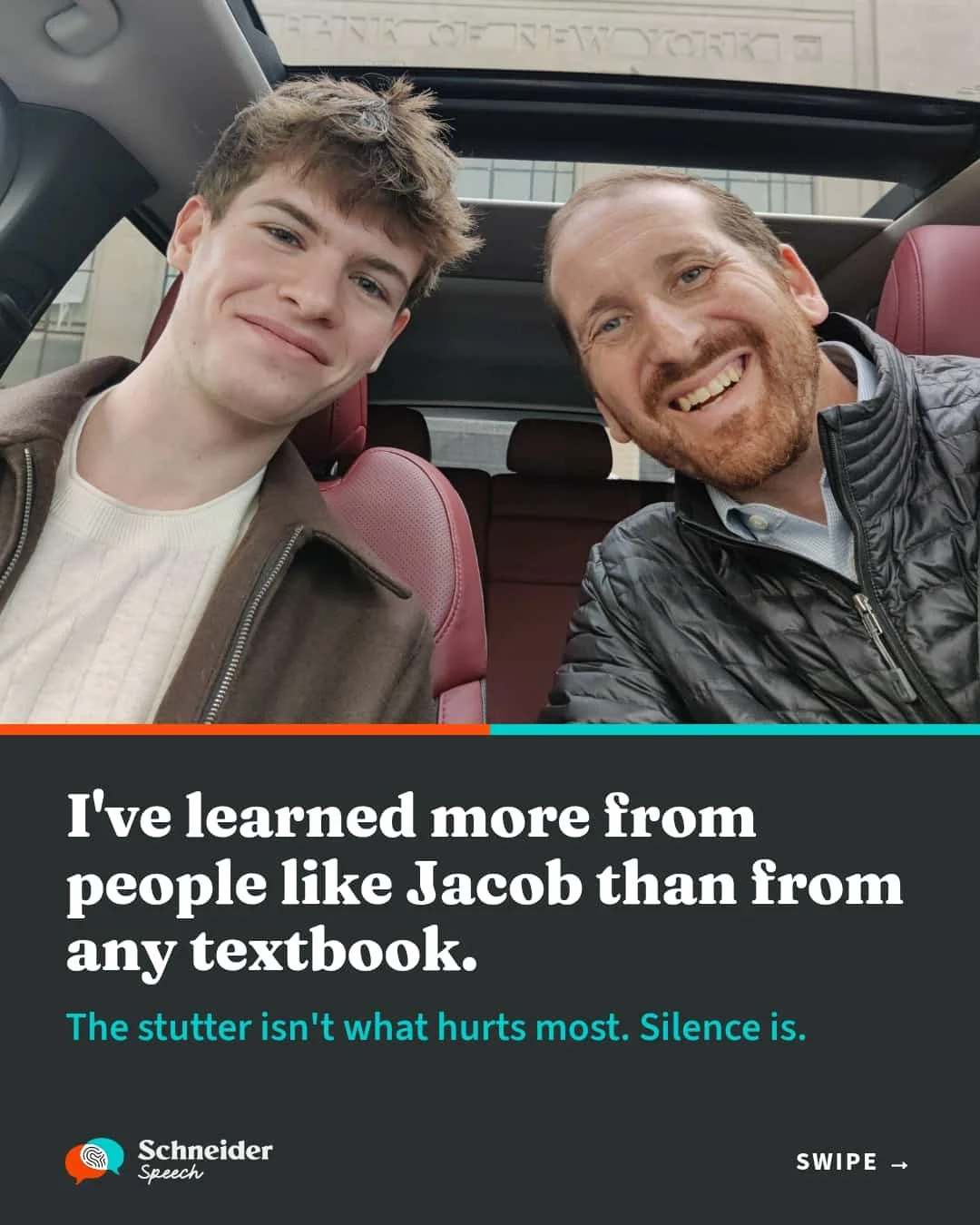
I’ve learned more from people like Jacob than from any textbook.
He taught me the stutter isn’t what hurts most.
Silence is.
Feeling stuck stinks.
Feeling like you’re not good enough is even worse.
This week the The New York Times covered the first consensus guidelines on stuttering, published in Psychiatric Times. My friend Dr. Gerald Maguire and STARS brought together 30+ experts, and they agreed on a lot.
Read the original article in The New York Times
Here’s how it stacks up against what people like Jacob have been telling us for years.
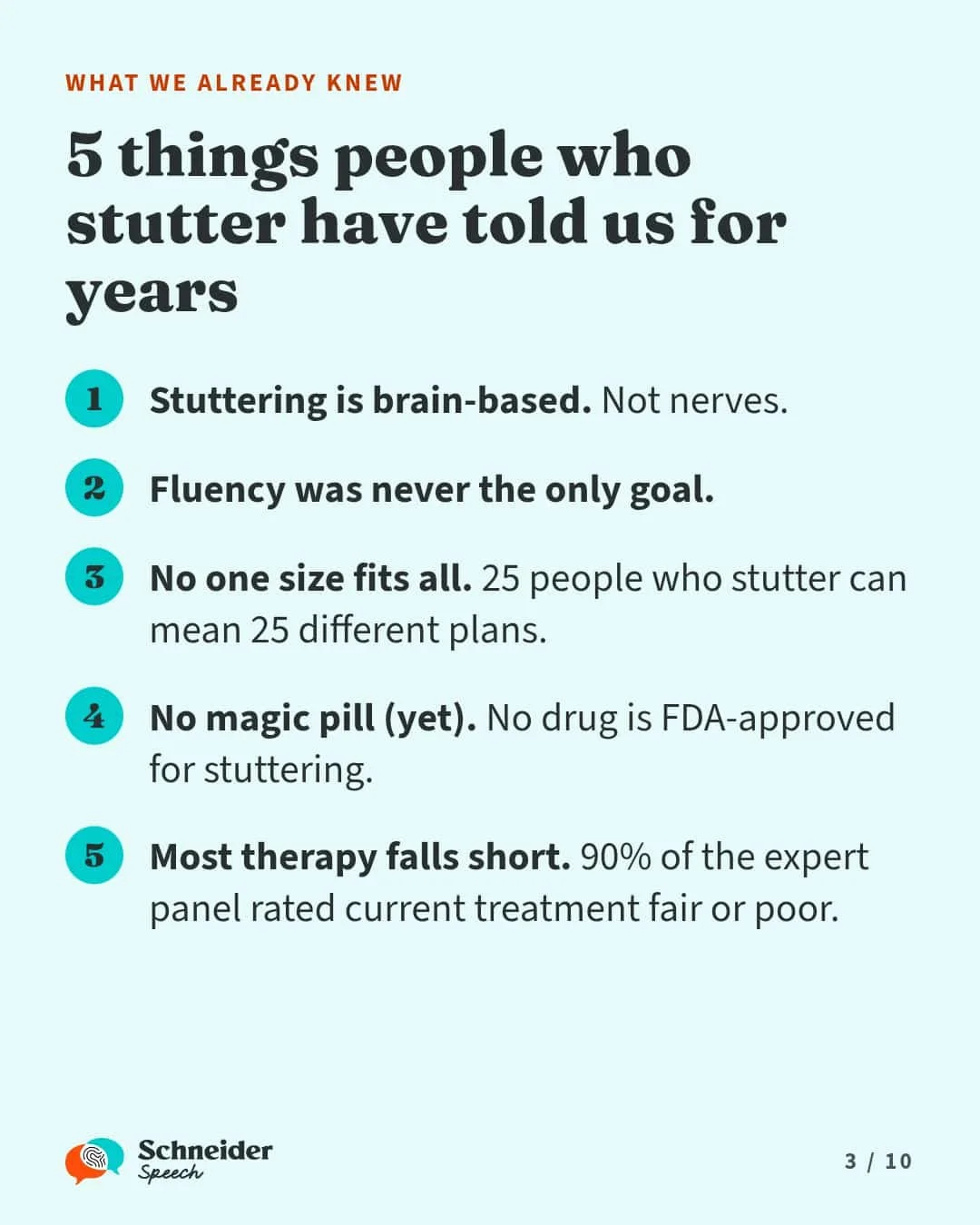
🧐 Top 5 things we already knew:
1️⃣ Stuttering is brain-based. Not nerves.
2️⃣ Fluency was never the only goal.
3️⃣ No one size fits all. 25 people who stutter can mean 25 different plans.
4️⃣ No magic pill (yet). No drug is FDA-approved for stuttering.
5️⃣ Most therapy falls short. 90% of the expert panel rated current treatment fair or poor.
🔥 Top 5 hot takes:
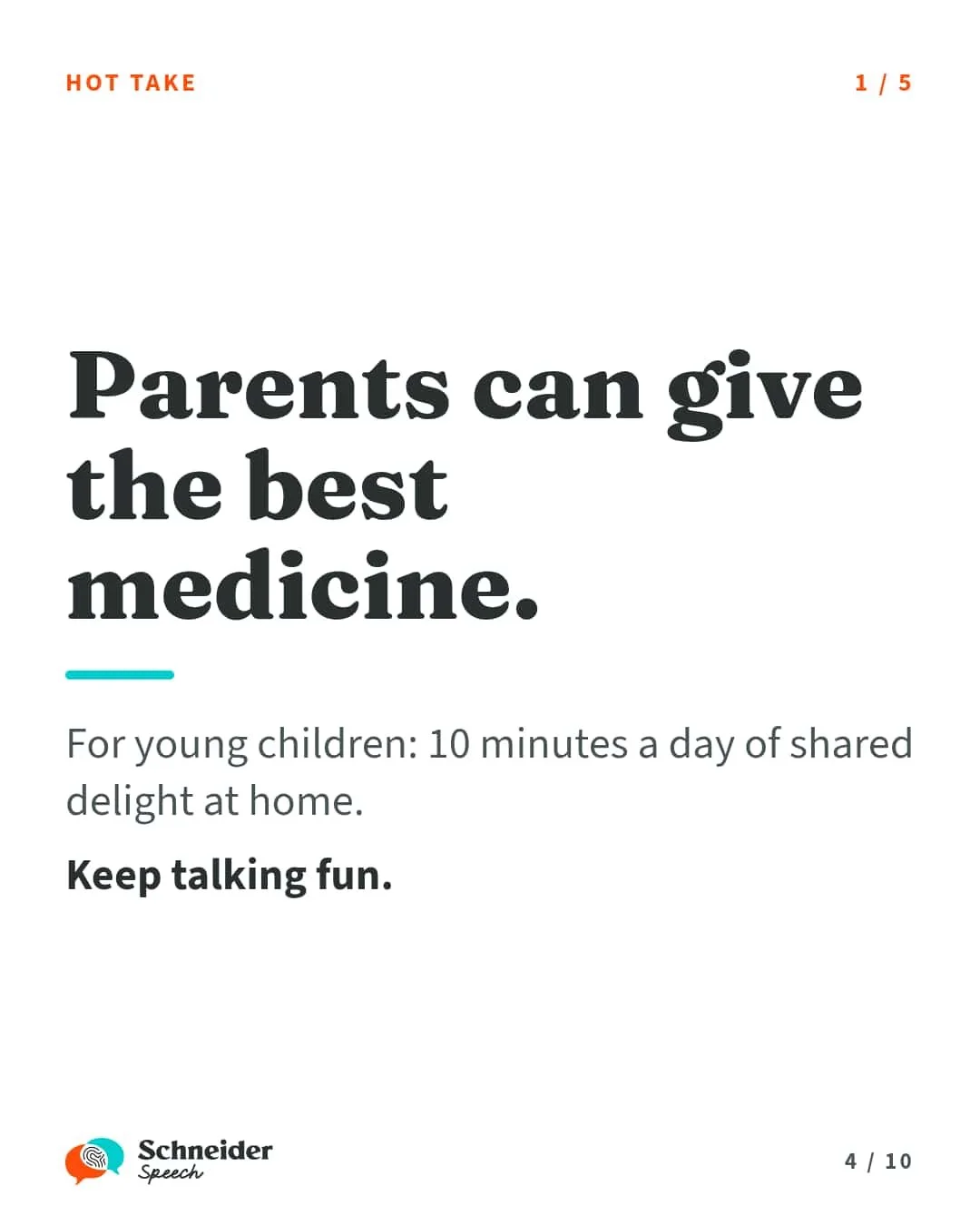
1️⃣ For young children, parents can give the best medicine. 10 minutes a day of shared delight at home. Make talking fun again. Or keep it that way.
2️⃣ No therapy is better than bad therapy. Too many young people pay the price with shame, guilt and fear of speaking.
3️⃣ The panel says ADHD stimulants may make stuttering worse. In our experience, for some people, they make speaking easier. Talk to your prescriber. Don’t change meds on your own.
4️⃣ Not everything is anxiety. “Timmy stutters more with adults” is an observation. “So Timmy has anxiety” is a story. That story can delay what Timmy really needs: better listening.
5️⃣ Teachers: wait 3 beats after every question. When the fastest answer isn’t the prize, more kids get to shine.
The best of what we know shows up in the people we meet. And it’s backed by the best science.
The biggest takeaway: you don’t need to wait.
You don’t need to suffer any longer.
There is help. And there is hope.
#ISAD #Stuttering